Buy brainlag.eu ?
We are moving the project
brainlag.eu .
Are you interested in purchasing the domain
brainlag.eu ?
domain@kv-gmbh.de · 0541-91531010
Buy brainlag.eu ?
What are the differences between Sanger DNA sequencing and NGS sequencing using a sequencer?
Sanger DNA sequencing is a traditional method that involves sequencing one DNA fragment at a time using chain-terminating dideoxynucleotides. It is a slower and more labor-intensive process compared to NGS sequencing. NGS sequencing, on the other hand, uses massively parallel sequencing technology to simultaneously sequence millions of DNA fragments. This allows for high-throughput sequencing and the generation of large amounts of data in a shorter amount of time. Additionally, NGS sequencing can provide more comprehensive and detailed information about the entire genome, making it more suitable for large-scale genomic studies. **
What is the DNA sequencing for guanine?
The DNA sequencing for guanine is represented by the letter "G". Guanine is one of the four nucleobases found in DNA, along with adenine, cytosine, and thymine. It pairs with cytosine through three hydrogen bonds in the DNA double helix structure. The specific sequence of guanine, along with the other nucleobases, forms the genetic code that determines the characteristics and functions of an organism. **

Similar search terms for Sequencing
Top-Angebote
Products related to Sequencing:
-
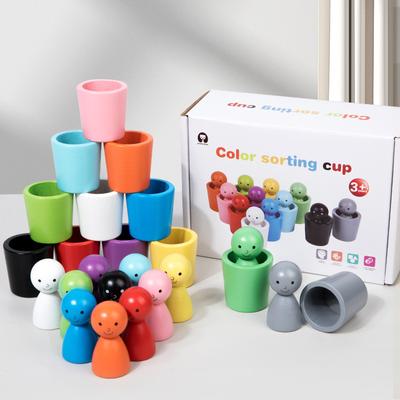
Tiny Tots Teens Trends Montessori Educational Toy, Wooden Color Cups, Sorting Cognition Game For Early Learning Montessori Educational Toy, Wooden Color Cups, Sorting Cognition Game For Early LearningIntroduce your child to the world of learning with the Montessori Wooden Toy Color Cups. Designed to enhance early cognitive development, this engaging matching sorting cognition game training toy provides hours of educational fun. Perfect for young...59,97 $*Shipping: 0,00 $Secure redirect to the provider
-
Uplift Picks Montessori Bell Learning Toy DIY Cognition Training Game For Kids bubble PotSpark curiosity and hands on discovery with this engaging Montessori bell learning toy designed to make learning playful and interactive. This fun educational cognition training game encourages children to match, identify, and respond to sound and...59,48 $*Shipping: 0,00 $Secure redirect to the provider
-
MacBook Pro 14.2" M5 Laptop – 10-Core CPU, 10-Core GPU, 16GB Unified Memory, 1TB SSD, Liquid Retina XDR & Apple Intelligence Silver, New.gadcet-pdp{--g-green:#00a651;color:#1f2430;line-height:1.55;font-size:inherit;max-width:760px}.gadcet-pdp>*:first-child{margin-top:0}.gadcet-pdp p{margin:0 0.9em}.gadcet-pdp h3{font-size:1.05em;font-weight:600;color:#11161f;margin:1.4em 0.5em;padding-left:.5em;border-left:3px solid var(--g-green);border-radius:0;line-height:1.3}.gadcet-pdp ul{list-style:none!important;margin:0 0.9em;padding:0!important}.gadcet-pdp ul li{position:relative;padding:.1em 0.1em 1.5em;margin:0}.gadcet-pdp ul li::before{content:"";position:absolute;left:.16em;top:.45em;width:.36em;height:.66em;border:solid var(--g-green);border-width:0.14em.14em 0;transform:rotate(45deg)}.gadcet-pdp table{width:100%;border-collapse:collapse;margin:.3em 0 1em;font-size:.95em;border:1px solid #e7e9ee!important;border-radius:8px;overflow:hidden}.gadcet-pdp table td{padding:.5em.8em;border-bottom:1px solid #eef0f4!important;vertical-align:top}.gadcet-pdp table tr:last-child td{border-bottom:0!important}.gadcet-pdp table tr:nth-child(even){background:#f7f9f8}.gadcet-pdp table td:first-child{font-weight:600;color:#454c59;width:40%}@media (max-width:600px){.gadcet-pdp table td:first-child{width:42%}} Power through creative, professional and everyday work with the Apple MacBook Pro 14.2-inch M5 in Silver. With fast Apple silicon, a sharp Liquid Retina XDR display and condition options to suit your budget, it is built for serious productivity. Key Features Apple M5 chip with 10-core CPU and 10-core GPU 16GB unified memory for smooth multitasking 1TB SSD storage for apps, files and creative projects 14.2-inch Liquid Retina XDR display with 3024 x 1964 resolution 120Hz refresh rate and 1000 nits brightness Built for Apple Intelligence and on-device AI tasks Up to 24 hours battery life during playback 12MP Centre Stage camera, three studio-quality mics and six speakers with Spatial Audio Three Thunderbolt 4 ports, MagSafe 3, SDXC, HDMI and headphone jack Supports up to two external displays Benefits Ideal for demanding creative workflows, office productivity and everyday use Fast storage and unified memory help keep projects and apps moving quickly High-quality display makes editing, streaming and multitasking feel more immersive Choose from New or Used condition options to match your needs and budget Specifications Brand Apple Model MacBook Pro 14.2-inch M5 Colour Silver Processor Apple M5 chip, 10-core CPU Graphics 10-core GPU Memory 16GB unified memory Storage 1TB SSD Display 14.2-inch Liquid Retina XDR Resolution 3024 x 1964 pixels Refresh Rate 120Hz Brightness 1000 nits Operating System macOS Ports 3 x Thunderbolt 4, MagSafe 3, SDXC, HDMI, headphone jack Camera 12MP Centre Stage camera Audio Three studio-quality mics, six speakers, Spatial Audio, Dolby Atmos support Connectivity Bluetooth Body Aluminium Dimensions H1.55 x W31.26 x D22.12cm Weight 1.55kg What You'll Receive Apple MacBook Pro 14-inch in your selected condition, plus USB-C to MagSafe 3 Cable (2m). Ideal For A strong choice for...1759,00 £*Shipping: 0,00 £Secure redirect to the provider
-
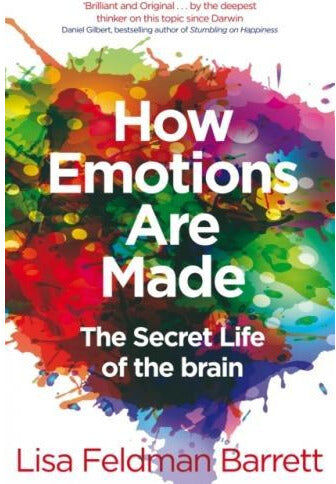
MACMILLAN How Emotions Are Made – The Secret Life of the Brain by Lisa Feldman Barrett Neuroscience & Psychology BestsellerDiscover a groundbreaking new understanding of the human mind with How Emotions Are Made: The Secret Life of the Brain by Lisa Feldman Barrett. Challenging long-held beliefs about how emotions work, neuroscientist Lisa Feldman Barrett presents a revolutionary theory explaining that emotions are not universal reactions, but are actively constructed by the brain. Drawing on cutting-edge research in psychology and neuroscience, the book reveals how the brain predicts, interprets, and shapes our emotional experiences. Written in an accessible and engaging style, this bestseller reshapes how we think about feelings, decision-making, mental health, and human behavior. It’s essential reading for anyone interested in psychology, neuroscience, self-understanding, and emotional intelligence. Why Readers Love This Book: Revolutionary insights into how emotions are created Based on modern neuroscience research Accessible explanations for general readers Practical implications for mental well-being Ideal for psychology and science enthusiasts A thought-provoking exploration of the brain, How Emotions Are Made changes how we understand what it means to feel.3,99 £*Shipping: 1,99 £Secure redirect to the provider


-
Why are modern DNA sequencing methods faster?
Modern DNA sequencing methods are faster due to advancements in technology and automation. High-throughput sequencing machines can process multiple samples simultaneously, increasing the speed of data generation. Additionally, improvements in chemistry and bioinformatics have streamlined the sequencing process, reducing the time and resources required for analysis. These advancements have made it possible to sequence large genomes in a fraction of the time it would have taken with older methods, revolutionizing the field of genomics. **
-
What is the difference between sequencing and transposition?
Sequencing is the process of determining the precise order of nucleotides in a DNA or RNA molecule. It involves identifying the sequence of bases (A, T, C, G) in a specific region of genetic material. Transposition, on the other hand, is a genetic process where a segment of DNA moves from one location in the genome to another. This can result in genetic mutations or changes in the expression of certain genes. In summary, sequencing involves determining the order of nucleotides, while transposition involves the movement of genetic material within the genome. **
-
What is the difference between these two sequencing methods?
The difference between Sanger sequencing and next-generation sequencing (NGS) lies in their technology and throughput. Sanger sequencing, also known as first-generation sequencing, is a traditional method that uses chain-terminating dideoxynucleotides to sequence DNA. It is a slower and more labor-intensive process, typically used for sequencing shorter DNA fragments. On the other hand, NGS is a high-throughput method that sequences millions of DNA fragments in parallel, allowing for faster and more cost-effective sequencing of entire genomes or targeted regions. NGS also provides greater depth of coverage and can detect rare genetic variants more effectively than Sanger sequencing. **
-
Why is only a single primer used in DNA sequencing?
Only a single primer is used in DNA sequencing because the primer binds to a specific region of the DNA template, initiating the synthesis of the new DNA strand. This primer is complementary to the template DNA, allowing for the specific amplification of the target region. Using a single primer simplifies the sequencing process and ensures that only the desired region of DNA is amplified and sequenced. **


What is the difference between DNA hybridization and DNA sequencing?
DNA hybridization is a technique used to determine the similarity between two DNA sequences by allowing them to bind together based on complementary base pairing. This method provides information on the degree of similarity between the sequences. On the other hand, DNA sequencing is a technique used to determine the exact order of nucleotides in a DNA molecule. This method provides the precise sequence of the DNA, allowing for detailed analysis of genetic information. **
Is DNA sequencing and DNA sequence analysis the same thing?
No, DNA sequencing and DNA sequence analysis are not the same thing. DNA sequencing is the process of determining the precise order of nucleotides within a DNA molecule, while DNA sequence analysis involves interpreting and analyzing the data obtained from DNA sequencing to identify genes, mutations, or other genetic information. In other words, DNA sequencing is the method used to generate the DNA sequence data, while DNA sequence analysis is the process of interpreting and making sense of that data. **
Top-Angebote
Products related to Sequencing:
-
Rinnai MECS Electronic Sequencing System (Master + 1 Slave)Electronic Sequencing manifold for use with the Internal Rinnai Gas Water Heaters. The electronic control system can link each heater, turning each one on as required. The system automatically evens out the work load between units to minimise wear and tear.60,90 £*Shipping: 5,00 £Secure redirect to the provider
-
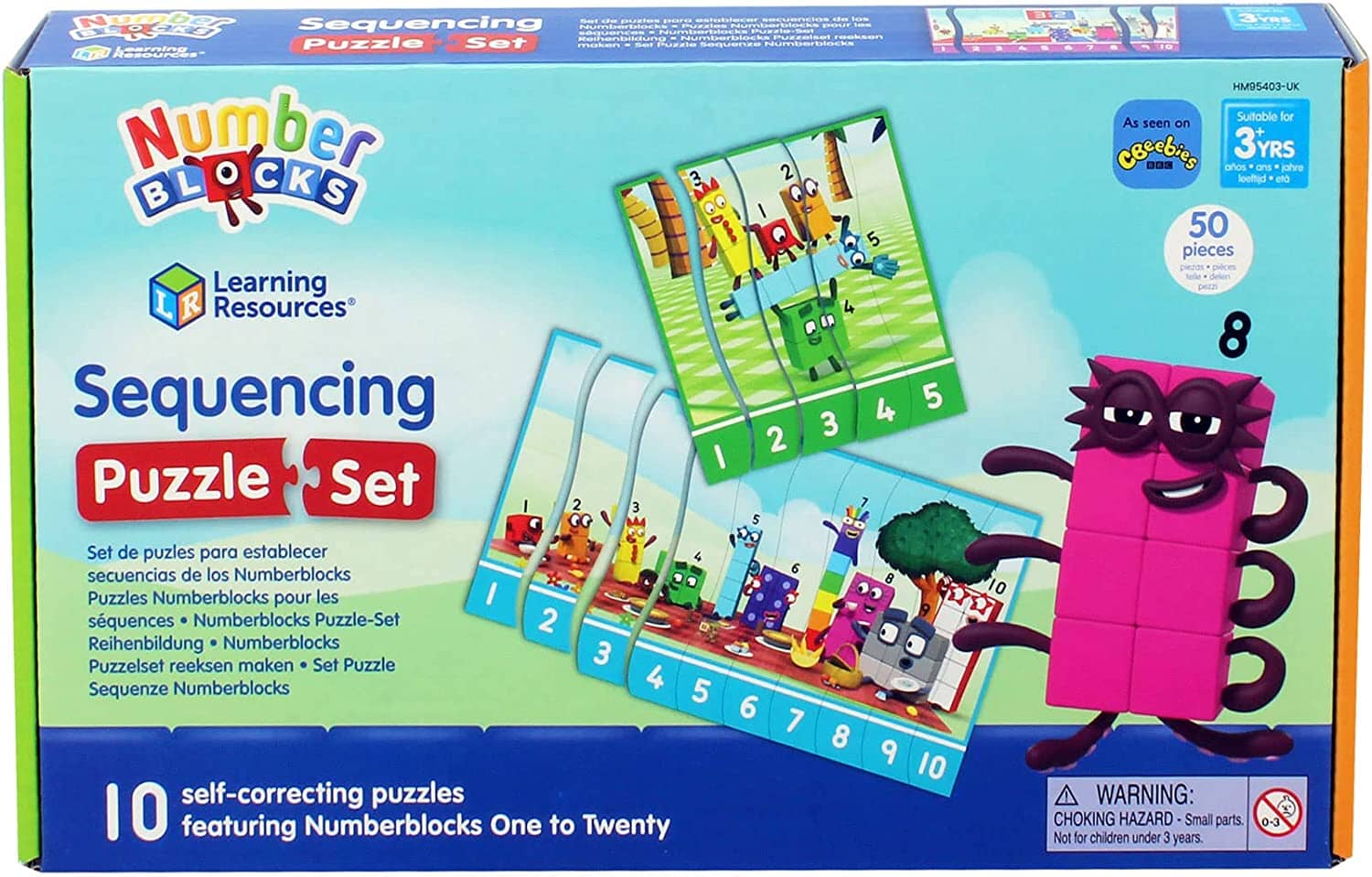
Numberblocks Sequencing Puzzle by Learning Resources - Ages 3 Years+ - Educational Toy Learning ResourcesNUMBERBLOCKS AS SEEN ON TV: Help children learn to sequence the numbers 1–20 in the correct order with their friends Numberblocks One to Twenty from the hit TV series. LEARN TO COUNT 1–20: Make learning to count 1–20 in the correct order fun for young children! As children complete the 20 colourful puzzles, they’ll be building basic maths skills along with colour recognition and fine motor skills. MATCH NUMBERS & PICTURES: Start with the 1-5 Numberblocks sequencing puzzles – can you put your friends One, Two, Three, Four, and Five in the correct order? As children learn and grow, progress to the next puzzle. PERFECT FOR LEARNING: Each of these Numberblocks maths puzzles is colour-coded for easy set-up. Each puzzle also has a number line, a teaching tool to help children sequence numbers and use to solve simple maths problems. INCLUDES: 10 double-sided puzzles - 4 each of puzzles for 1–5 (13cm L x 15cm W) and 1–10 (26cm L x 15cm W) and 2 for numbers 1–20 (51cm L x 15cm W).11,99 £*Shipping: 2,99 £Secure redirect to the provider
-
Tiny Tots Teens Trends Montessori Educational Toy, Wooden Color Cups, Sorting Cognition Game For Early Learning Montessori Educational Toy, Wooden Color Cups, Sorting Cognition Game For Early LearningIntroduce your child to the world of learning with the Montessori Wooden Toy Color Cups. Designed to enhance early cognitive development, this engaging matching sorting cognition game training toy provides hours of educational fun. Perfect for young...59,97 $*Shipping: 0,00 $Secure redirect to the provider
-
Uplift Picks Montessori Bell Learning Toy DIY Cognition Training Game For Kids bubble PotSpark curiosity and hands on discovery with this engaging Montessori bell learning toy designed to make learning playful and interactive. This fun educational cognition training game encourages children to match, identify, and respond to sound and...59,48 $*Shipping: 0,00 $Secure redirect to the provider
-
What are the differences between Sanger DNA sequencing and NGS sequencing using a sequencer?
Sanger DNA sequencing is a traditional method that involves sequencing one DNA fragment at a time using chain-terminating dideoxynucleotides. It is a slower and more labor-intensive process compared to NGS sequencing. NGS sequencing, on the other hand, uses massively parallel sequencing technology to simultaneously sequence millions of DNA fragments. This allows for high-throughput sequencing and the generation of large amounts of data in a shorter amount of time. Additionally, NGS sequencing can provide more comprehensive and detailed information about the entire genome, making it more suitable for large-scale genomic studies. **
-
What is the DNA sequencing for guanine?
The DNA sequencing for guanine is represented by the letter "G". Guanine is one of the four nucleobases found in DNA, along with adenine, cytosine, and thymine. It pairs with cytosine through three hydrogen bonds in the DNA double helix structure. The specific sequence of guanine, along with the other nucleobases, forms the genetic code that determines the characteristics and functions of an organism. **
-
Why are modern DNA sequencing methods faster?
Modern DNA sequencing methods are faster due to advancements in technology and automation. High-throughput sequencing machines can process multiple samples simultaneously, increasing the speed of data generation. Additionally, improvements in chemistry and bioinformatics have streamlined the sequencing process, reducing the time and resources required for analysis. These advancements have made it possible to sequence large genomes in a fraction of the time it would have taken with older methods, revolutionizing the field of genomics. **
-
What is the difference between sequencing and transposition?
Sequencing is the process of determining the precise order of nucleotides in a DNA or RNA molecule. It involves identifying the sequence of bases (A, T, C, G) in a specific region of genetic material. Transposition, on the other hand, is a genetic process where a segment of DNA moves from one location in the genome to another. This can result in genetic mutations or changes in the expression of certain genes. In summary, sequencing involves determining the order of nucleotides, while transposition involves the movement of genetic material within the genome. **
Similar search terms for Sequencing
-
MacBook Pro 14.2" M5 Laptop – 10-Core CPU, 10-Core GPU, 16GB Unified Memory, 1TB SSD, Liquid Retina XDR & Apple Intelligence Silver, New.gadcet-pdp{--g-green:#00a651;color:#1f2430;line-height:1.55;font-size:inherit;max-width:760px}.gadcet-pdp>*:first-child{margin-top:0}.gadcet-pdp p{margin:0 0.9em}.gadcet-pdp h3{font-size:1.05em;font-weight:600;color:#11161f;margin:1.4em 0.5em;padding-left:.5em;border-left:3px solid var(--g-green);border-radius:0;line-height:1.3}.gadcet-pdp ul{list-style:none!important;margin:0 0.9em;padding:0!important}.gadcet-pdp ul li{position:relative;padding:.1em 0.1em 1.5em;margin:0}.gadcet-pdp ul li::before{content:"";position:absolute;left:.16em;top:.45em;width:.36em;height:.66em;border:solid var(--g-green);border-width:0.14em.14em 0;transform:rotate(45deg)}.gadcet-pdp table{width:100%;border-collapse:collapse;margin:.3em 0 1em;font-size:.95em;border:1px solid #e7e9ee!important;border-radius:8px;overflow:hidden}.gadcet-pdp table td{padding:.5em.8em;border-bottom:1px solid #eef0f4!important;vertical-align:top}.gadcet-pdp table tr:last-child td{border-bottom:0!important}.gadcet-pdp table tr:nth-child(even){background:#f7f9f8}.gadcet-pdp table td:first-child{font-weight:600;color:#454c59;width:40%}@media (max-width:600px){.gadcet-pdp table td:first-child{width:42%}} Power through creative, professional and everyday work with the Apple MacBook Pro 14.2-inch M5 in Silver. With fast Apple silicon, a sharp Liquid Retina XDR display and condition options to suit your budget, it is built for serious productivity. Key Features Apple M5 chip with 10-core CPU and 10-core GPU 16GB unified memory for smooth multitasking 1TB SSD storage for apps, files and creative projects 14.2-inch Liquid Retina XDR display with 3024 x 1964 resolution 120Hz refresh rate and 1000 nits brightness Built for Apple Intelligence and on-device AI tasks Up to 24 hours battery life during playback 12MP Centre Stage camera, three studio-quality mics and six speakers with Spatial Audio Three Thunderbolt 4 ports, MagSafe 3, SDXC, HDMI and headphone jack Supports up to two external displays Benefits Ideal for demanding creative workflows, office productivity and everyday use Fast storage and unified memory help keep projects and apps moving quickly High-quality display makes editing, streaming and multitasking feel more immersive Choose from New or Used condition options to match your needs and budget Specifications Brand Apple Model MacBook Pro 14.2-inch M5 Colour Silver Processor Apple M5 chip, 10-core CPU Graphics 10-core GPU Memory 16GB unified memory Storage 1TB SSD Display 14.2-inch Liquid Retina XDR Resolution 3024 x 1964 pixels Refresh Rate 120Hz Brightness 1000 nits Operating System macOS Ports 3 x Thunderbolt 4, MagSafe 3, SDXC, HDMI, headphone jack Camera 12MP Centre Stage camera Audio Three studio-quality mics, six speakers, Spatial Audio, Dolby Atmos support Connectivity Bluetooth Body Aluminium Dimensions H1.55 x W31.26 x D22.12cm Weight 1.55kg What You'll Receive Apple MacBook Pro 14-inch in your selected condition, plus USB-C to MagSafe 3 Cable (2m). Ideal For A strong choice for...1759,00 £*Shipping: 0,00 £Secure redirect to the provider
-
MACMILLAN How Emotions Are Made – The Secret Life of the Brain by Lisa Feldman Barrett Neuroscience & Psychology BestsellerDiscover a groundbreaking new understanding of the human mind with How Emotions Are Made: The Secret Life of the Brain by Lisa Feldman Barrett. Challenging long-held beliefs about how emotions work, neuroscientist Lisa Feldman Barrett presents a revolutionary theory explaining that emotions are not universal reactions, but are actively constructed by the brain. Drawing on cutting-edge research in psychology and neuroscience, the book reveals how the brain predicts, interprets, and shapes our emotional experiences. Written in an accessible and engaging style, this bestseller reshapes how we think about feelings, decision-making, mental health, and human behavior. It’s essential reading for anyone interested in psychology, neuroscience, self-understanding, and emotional intelligence. Why Readers Love This Book: Revolutionary insights into how emotions are created Based on modern neuroscience research Accessible explanations for general readers Practical implications for mental well-being Ideal for psychology and science enthusiasts A thought-provoking exploration of the brain, How Emotions Are Made changes how we understand what it means to feel.3,99 £*Shipping: 1,99 £Secure redirect to the provider
-
Uplifted Finds Triple Tier Intelligence Play Tower orangeEngage your cat's mind and body with this TripleTier Intelligence Play Tower. This classic interactive toy is designed with three stacked levels, each featuring a captured ball that skitters along a circular track. This multilevel architecture...54,97 $*Shipping: 0,00 $Secure redirect to the provider
-
Uplift Picks Montessori Bell Learning Toy DIY Cognition Training Game For Kids vacuum CleanerSpark curiosity and hands on discovery with this engaging Montessori bell learning toy designed to make learning playful and interactive. This fun educational cognition training game encourages children to match, identify, and respond to sound and...52,48 $*Shipping: 0,00 $Secure redirect to the provider
-
What is the difference between these two sequencing methods?
The difference between Sanger sequencing and next-generation sequencing (NGS) lies in their technology and throughput. Sanger sequencing, also known as first-generation sequencing, is a traditional method that uses chain-terminating dideoxynucleotides to sequence DNA. It is a slower and more labor-intensive process, typically used for sequencing shorter DNA fragments. On the other hand, NGS is a high-throughput method that sequences millions of DNA fragments in parallel, allowing for faster and more cost-effective sequencing of entire genomes or targeted regions. NGS also provides greater depth of coverage and can detect rare genetic variants more effectively than Sanger sequencing. **
-
Why is only a single primer used in DNA sequencing?
Only a single primer is used in DNA sequencing because the primer binds to a specific region of the DNA template, initiating the synthesis of the new DNA strand. This primer is complementary to the template DNA, allowing for the specific amplification of the target region. Using a single primer simplifies the sequencing process and ensures that only the desired region of DNA is amplified and sequenced. **
-
What is the difference between DNA hybridization and DNA sequencing?
DNA hybridization is a technique used to determine the similarity between two DNA sequences by allowing them to bind together based on complementary base pairing. This method provides information on the degree of similarity between the sequences. On the other hand, DNA sequencing is a technique used to determine the exact order of nucleotides in a DNA molecule. This method provides the precise sequence of the DNA, allowing for detailed analysis of genetic information. **
-
Is DNA sequencing and DNA sequence analysis the same thing?
No, DNA sequencing and DNA sequence analysis are not the same thing. DNA sequencing is the process of determining the precise order of nucleotides within a DNA molecule, while DNA sequence analysis involves interpreting and analyzing the data obtained from DNA sequencing to identify genes, mutations, or other genetic information. In other words, DNA sequencing is the method used to generate the DNA sequence data, while DNA sequence analysis is the process of interpreting and making sense of that data. **
* All prices are inclusive of VAT and, if applicable, plus shipping costs. The offer information is based on the details provided by the respective shop and is updated through automated processes. Real-time updates do not occur, so deviations can occur in individual cases. ** Note: Parts of this content were created by AI.