Buy brainlag.eu ?
We are moving the project
brainlag.eu .
Are you interested in purchasing the domain
brainlag.eu ?
domain@kv-gmbh.de · 0541-91531010
Buy brainlag.eu ?
What are emotions?
Emotions are complex psychological and physiological states that are triggered by specific stimuli or events. They can manifest as feelings such as happiness, sadness, anger, fear, or surprise, and can influence our thoughts, behaviors, and actions. Emotions play a crucial role in our social interactions, decision-making processes, and overall well-being. They are a fundamental aspect of human experience and are essential for navigating the world around us. **
Are emotions involved?
Yes, emotions are often involved in decision-making. Our emotions can influence our perceptions, judgments, and choices. For example, fear can lead to a more cautious decision, while excitement can lead to a riskier choice. Emotions can also impact our ability to think rationally and consider all available information. Therefore, it's important to be aware of our emotions and how they may be influencing our decision-making process. **
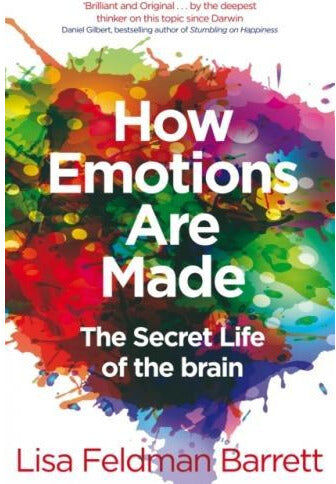
Similar search terms for MACMILLAN-How-Emotions-Are
Top-Angebote
Products related to MACMILLAN-How-Emotions-Are:
-
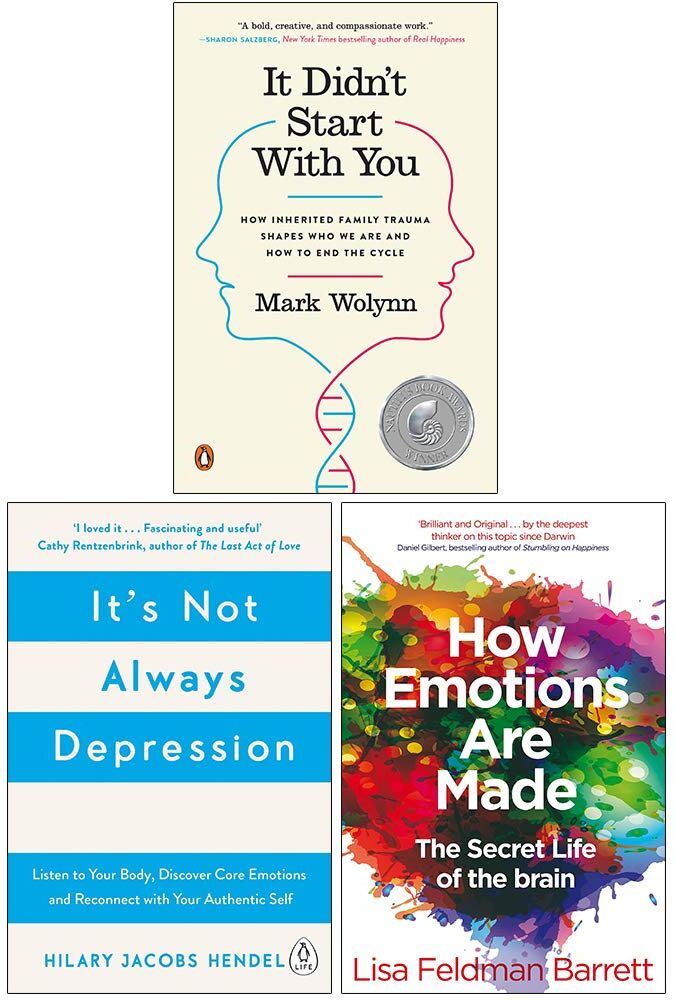
Vermilion/MACMILLAN/Penguin Books Ltd It Didn't Start With You, It's Not Always Depression, How Emotions Are Made The Secret Life Of The Brain 3 Books Collection SetIt Didn't Start With You, It's Not Always Depression, How Emotions Are Made The Secret Life Of The Brain 3 Books Collection Set It Didn't Start With You: Inherited family trauma is currently an area of growing interest, as science increasingly explores what we know intuitively: that the effects of trauma can pass from one generation to the next, and that the answers to some of our greatest life problems often lie not within our own story, but in the experiences of our parents, grandparents, great-grandparents and extended family. Here, pioneer Mark Wolyn shows readers how they can overcome inherited trauma and reclaim their lives. It's Not Always Depression: In It's Not Always Depression, pioneering psychotherapist Hilary Jacobs Hendel reveals the most effective techniques for putting us back in touch with the emotions we too often deny - methods which can be used by anyone, any time, anywhere. Drawing on stories from her own practice, she sheds light on the core emotions (such as joy, sadness and fear), defences (anything we do to avoid feeling) and inhibitory emotions (anxiety, shame and guilt), and how understanding their interaction can help us return to mental well-being. How Emotions Are Made The Secret Life of the Brain: This understanding of emotion has been around since Plato. But what if it is wrong? In How Emotions Are Made, pioneering psychologist and neuroscientist Lisa Feldman Barrett draws on the latest scientific evidence to reveal that our common-sense ideas about emotions are dramatically, even dangerously, out of date - and that we have been paying the price. Emotions aren't universally pre-programmed in our brains and bodies; rather they are psychological experiences16,99 £*Shipping: 2,99 £Secure redirect to the provider
-
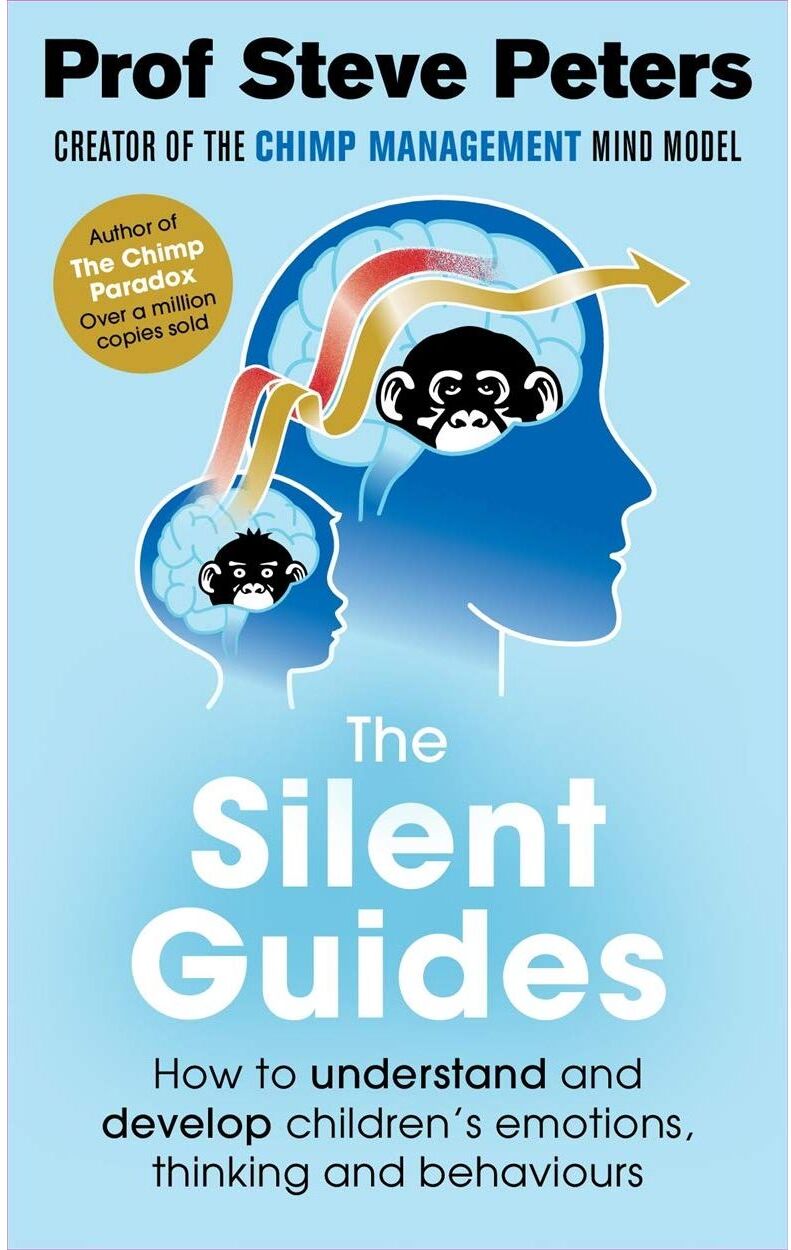
Lagom The Silent Guides: How to understand and develop children's emotions, thinking and behavioursThe Silent Guides: How to understand and develop children's emotions, thinking and behaviours FROM THE AUTHOR OF THE MILLION-COPY SELLING The Chimp ParadoxHow can we help our children:· become more resilient?· get over mistakes?· develop a positive outlook?And, what can we do to become better role models?Prof Steve Peters uses his Chimp Mind Management Model to help parents, teachers and carers understand the neuroscience behind unconscious beliefs and habits that may be silently guiding children's emotions, thinking and behaviours. The Silent Guides explores ten positive habits and many related themes taken from the children's educational book My Hidden Chimp. Prof Steve Peters helps challenge unhelpful behaviours such as:· being overly self-critical· fear of failure· low self-esteem8,99 £*Shipping: 2,99 £Secure redirect to the provider
-
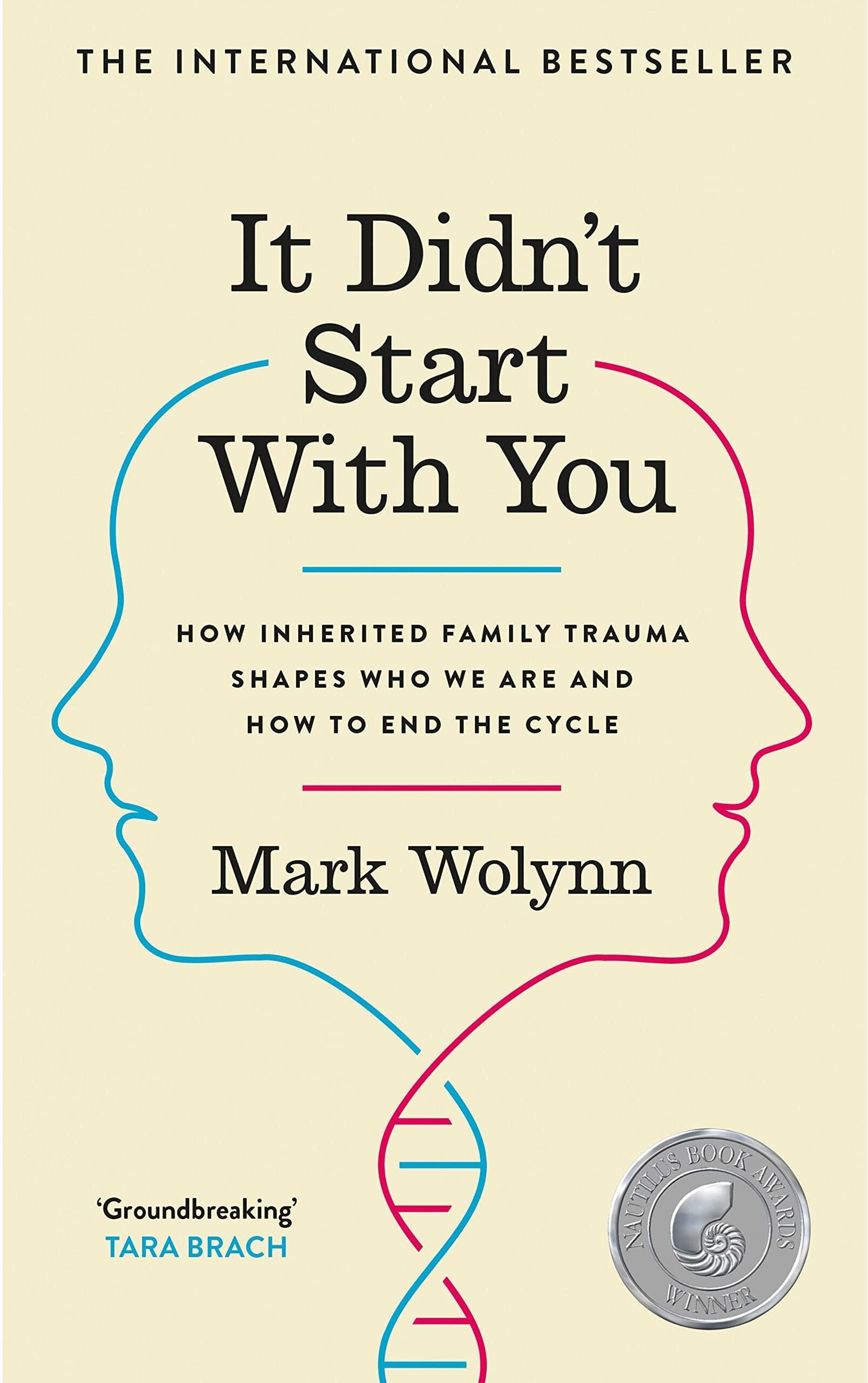
Vermilion It Didn't Start With You: How inherited family trauma shapes who we are and how to end the cycleDepression. Anxiety. Chronic pain. Phobias. Obsessive thoughts. The evidence is compelling: the root of these difficulties may reside in the traumas of our parents, grandparents and even great-grandparents. The latest research affirms that traumatic experience is passed on to future generations and that this emotional inheritance, hidden in everything from our gene expression to everyday language, plays a greater role in our health than ever previously understood. Building on the work of leading experts in neuroscience and posttraumatic stress, Mark Wolynn has developed a pioneering approach to identifying and breaking these inherited family patterns. Having worked with individuals and groups on a therapeutic level for more than twenty years, It Didn't Start With You is his accessible, pragmatic and transformative guide to a method that has helped thousands of people reclaim their lives.11,90 £*Shipping: 2,99 £Secure redirect to the provider
-
How Not to Age: by Michael Greger - Non Fiction - Paperback Pan MacmillanThe Scientific Approach to Getting Healthier as You Get Older Live better for longer with this ultimate guide to longevity from the author of How Not to Die. We all want to stay healthy as we age but, with so many different claims out there, it can be hard to know the best advice to follow. In How Not to Age, Dr Michael Greger digs into the top peer-reviewed anti-ageing research to deliver a complete and optimal guide with simple steps to extend your lifespan and slow the adverse effects of ageing. Inspired by the dietary and lifestyle patterns of the world’s centenarians and residents of ‘blue zone’ regions where people live the longest, Dr Greger presents easy, evidence-based ways to preserve the body functions that keep us feeling youthful, both physically and mentally. Can an apple a day really keep the doctor away? What’s better for your longevity, jogging for four hours or eating two handfuls of nuts twice a week? Brimming with expertise, How Not to Age lays out practical strategies for living your longest, healthiest life – and for enjoying every moment of it.10,99 £*Shipping: 2,99 £Secure redirect to the provider

-
Are emotions irrational?
Emotions are not inherently irrational, as they are a natural and important part of human experience. Emotions can be influenced by our thoughts, beliefs, and past experiences, but they also serve important functions in guiding our behavior and decision-making. While emotions can sometimes lead to irrational behavior, they can also provide valuable information about our needs and desires. It is important to acknowledge and understand our emotions in order to make rational decisions and effectively navigate our relationships and experiences. **
-
What are overwhelming emotions?
Overwhelming emotions are intense feelings that can be difficult to manage or control. They can be triggered by various situations or events, and may include feelings of extreme sadness, anger, fear, or anxiety. When experiencing overwhelming emotions, individuals may feel unable to cope or find it challenging to think clearly. It is important to seek support and coping strategies to help manage overwhelming emotions in a healthy way. **
-
What emotions can occur in artificial intelligence?
Artificial intelligence can experience a range of emotions, including frustration, satisfaction, and curiosity. For example, an AI system may become frustrated when it encounters a problem it cannot solve, or feel satisfaction when it successfully completes a task. Additionally, AI can exhibit curiosity by seeking out new information or exploring different approaches to problem-solving. These emotions are typically simulated or programmed into the AI system to help it better interact with and respond to human users. **
-
Do animals have emotions and mental illnesses?
Yes, animals do have emotions and can experience mental illnesses. Research has shown that animals, especially mammals like dogs, cats, and primates, exhibit a wide range of emotions such as joy, fear, anger, and sadness. They can also suffer from mental health issues such as anxiety, depression, and PTSD. It is important for us to recognize and address the emotional and mental well-being of animals in our care. **

What are these emotions called?
These emotions are called primary emotions. They are basic emotions that are universal across cultures and are believed to be innate. Primary emotions include happiness, sadness, anger, fear, surprise, and disgust. These emotions are considered to be the building blocks of our emotional experiences. **
Are emotions really time-limited?
Emotions are not necessarily time-limited as they can vary in duration depending on the individual and the situation. Some emotions may be fleeting and short-lived, while others can persist for longer periods of time. It is important to acknowledge and process emotions in a healthy way, as suppressing or ignoring them can lead to unresolved feelings that may resurface later on. Seeking support from others or engaging in self-care practices can help manage and navigate through emotions effectively. **
Top-Angebote
Products related to MACMILLAN-How-Emotions-Are:
-
MACMILLAN How Emotions Are Made – The Secret Life of the Brain by Lisa Feldman Barrett Neuroscience & Psychology BestsellerDiscover a groundbreaking new understanding of the human mind with How Emotions Are Made: The Secret Life of the Brain by Lisa Feldman Barrett. Challenging long-held beliefs about how emotions work, neuroscientist Lisa Feldman Barrett presents a revolutionary theory explaining that emotions are not universal reactions, but are actively constructed by the brain. Drawing on cutting-edge research in psychology and neuroscience, the book reveals how the brain predicts, interprets, and shapes our emotional experiences. Written in an accessible and engaging style, this bestseller reshapes how we think about feelings, decision-making, mental health, and human behavior. It’s essential reading for anyone interested in psychology, neuroscience, self-understanding, and emotional intelligence. Why Readers Love This Book: Revolutionary insights into how emotions are created Based on modern neuroscience research Accessible explanations for general readers Practical implications for mental well-being Ideal for psychology and science enthusiasts A thought-provoking exploration of the brain, How Emotions Are Made changes how we understand what it means to feel.3,99 £*Shipping: 1,99 £Secure redirect to the provider
-
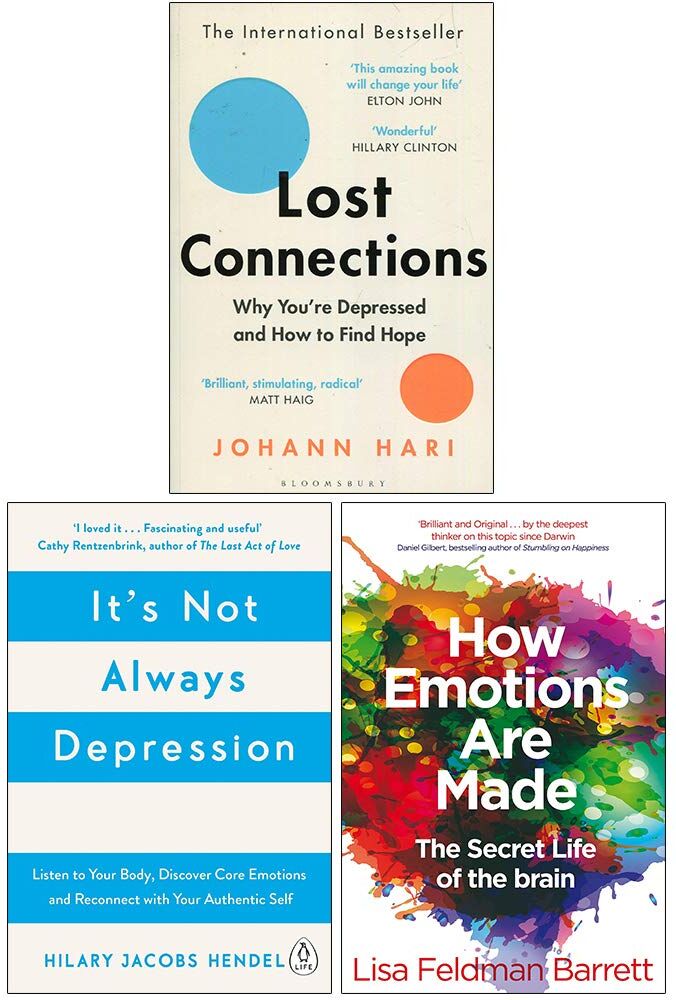
MACMILLAN/Bloomsbury/Penguin Lost Connections, It's Not Always Depression, How Emotions Are Made The Secret Life of the Brain 3 Books Collection SetIt's Not Always Depression We were all taught that our thoughts affect our emotions, but in truth it is largely the other way around: we have to experience our emotions to truly understand our thoughts, and our full selves. This is why we should think not only about cognitive behavioural therapy or medication, but also about our emotions, when addressing psychological suffering. How Emotions Are Made This understanding of emotion has been around since Plato. But what if it is wrong? In How Emotions Are Made, pioneering psychologist and neuroscientist Lisa Feldman Barrett draws on the latest scientific evidence to reveal that our common-sense ideas about emotions are dramatically, even dangerously, out of date – and that we have been paying the price. Emotions aren't universally pre-programmed in our brains and bodies; rather they are psychological experiences that each of us constructs based on our unique personal history, physiology and environment. Lost Connection Depression and anxiety are now at epidemic levels. Why? Across the world, scientists have uncovered evidence for nine different causes. Some are in our biology, but most are in the way we are living today.18,99 £*Shipping: 2,99 £Secure redirect to the provider
-
Vermilion/MACMILLAN/Penguin Books Ltd It Didn't Start With You, It's Not Always Depression, How Emotions Are Made The Secret Life Of The Brain 3 Books Collection SetIt Didn't Start With You, It's Not Always Depression, How Emotions Are Made The Secret Life Of The Brain 3 Books Collection Set It Didn't Start With You: Inherited family trauma is currently an area of growing interest, as science increasingly explores what we know intuitively: that the effects of trauma can pass from one generation to the next, and that the answers to some of our greatest life problems often lie not within our own story, but in the experiences of our parents, grandparents, great-grandparents and extended family. Here, pioneer Mark Wolyn shows readers how they can overcome inherited trauma and reclaim their lives. It's Not Always Depression: In It's Not Always Depression, pioneering psychotherapist Hilary Jacobs Hendel reveals the most effective techniques for putting us back in touch with the emotions we too often deny - methods which can be used by anyone, any time, anywhere. Drawing on stories from her own practice, she sheds light on the core emotions (such as joy, sadness and fear), defences (anything we do to avoid feeling) and inhibitory emotions (anxiety, shame and guilt), and how understanding their interaction can help us return to mental well-being. How Emotions Are Made The Secret Life of the Brain: This understanding of emotion has been around since Plato. But what if it is wrong? In How Emotions Are Made, pioneering psychologist and neuroscientist Lisa Feldman Barrett draws on the latest scientific evidence to reveal that our common-sense ideas about emotions are dramatically, even dangerously, out of date - and that we have been paying the price. Emotions aren't universally pre-programmed in our brains and bodies; rather they are psychological experiences16,99 £*Shipping: 2,99 £Secure redirect to the provider
-
Lagom The Silent Guides: How to understand and develop children's emotions, thinking and behavioursThe Silent Guides: How to understand and develop children's emotions, thinking and behaviours FROM THE AUTHOR OF THE MILLION-COPY SELLING The Chimp ParadoxHow can we help our children:· become more resilient?· get over mistakes?· develop a positive outlook?And, what can we do to become better role models?Prof Steve Peters uses his Chimp Mind Management Model to help parents, teachers and carers understand the neuroscience behind unconscious beliefs and habits that may be silently guiding children's emotions, thinking and behaviours. The Silent Guides explores ten positive habits and many related themes taken from the children's educational book My Hidden Chimp. Prof Steve Peters helps challenge unhelpful behaviours such as:· being overly self-critical· fear of failure· low self-esteem8,99 £*Shipping: 2,99 £Secure redirect to the provider
-
What are emotions?
Emotions are complex psychological and physiological states that are triggered by specific stimuli or events. They can manifest as feelings such as happiness, sadness, anger, fear, or surprise, and can influence our thoughts, behaviors, and actions. Emotions play a crucial role in our social interactions, decision-making processes, and overall well-being. They are a fundamental aspect of human experience and are essential for navigating the world around us. **
-
Are emotions involved?
Yes, emotions are often involved in decision-making. Our emotions can influence our perceptions, judgments, and choices. For example, fear can lead to a more cautious decision, while excitement can lead to a riskier choice. Emotions can also impact our ability to think rationally and consider all available information. Therefore, it's important to be aware of our emotions and how they may be influencing our decision-making process. **
-
Are emotions irrational?
Emotions are not inherently irrational, as they are a natural and important part of human experience. Emotions can be influenced by our thoughts, beliefs, and past experiences, but they also serve important functions in guiding our behavior and decision-making. While emotions can sometimes lead to irrational behavior, they can also provide valuable information about our needs and desires. It is important to acknowledge and understand our emotions in order to make rational decisions and effectively navigate our relationships and experiences. **
-
What are overwhelming emotions?
Overwhelming emotions are intense feelings that can be difficult to manage or control. They can be triggered by various situations or events, and may include feelings of extreme sadness, anger, fear, or anxiety. When experiencing overwhelming emotions, individuals may feel unable to cope or find it challenging to think clearly. It is important to seek support and coping strategies to help manage overwhelming emotions in a healthy way. **
Similar search terms for MACMILLAN-How-Emotions-Are
-
Vermilion It Didn't Start With You: How inherited family trauma shapes who we are and how to end the cycleDepression. Anxiety. Chronic pain. Phobias. Obsessive thoughts. The evidence is compelling: the root of these difficulties may reside in the traumas of our parents, grandparents and even great-grandparents. The latest research affirms that traumatic experience is passed on to future generations and that this emotional inheritance, hidden in everything from our gene expression to everyday language, plays a greater role in our health than ever previously understood. Building on the work of leading experts in neuroscience and posttraumatic stress, Mark Wolynn has developed a pioneering approach to identifying and breaking these inherited family patterns. Having worked with individuals and groups on a therapeutic level for more than twenty years, It Didn't Start With You is his accessible, pragmatic and transformative guide to a method that has helped thousands of people reclaim their lives.11,90 £*Shipping: 2,99 £Secure redirect to the provider
-
How Not to Age: by Michael Greger - Non Fiction - Paperback Pan MacmillanThe Scientific Approach to Getting Healthier as You Get Older Live better for longer with this ultimate guide to longevity from the author of How Not to Die. We all want to stay healthy as we age but, with so many different claims out there, it can be hard to know the best advice to follow. In How Not to Age, Dr Michael Greger digs into the top peer-reviewed anti-ageing research to deliver a complete and optimal guide with simple steps to extend your lifespan and slow the adverse effects of ageing. Inspired by the dietary and lifestyle patterns of the world’s centenarians and residents of ‘blue zone’ regions where people live the longest, Dr Greger presents easy, evidence-based ways to preserve the body functions that keep us feeling youthful, both physically and mentally. Can an apple a day really keep the doctor away? What’s better for your longevity, jogging for four hours or eating two handfuls of nuts twice a week? Brimming with expertise, How Not to Age lays out practical strategies for living your longest, healthiest life – and for enjoying every moment of it.10,99 £*Shipping: 2,99 £Secure redirect to the provider
-
MACMILLAN Range: How Generalists Triumph in a Specialized World by David EpsteinThe instant Sunday Times Top Ten and New York Times bestseller Shortlisted for the Financial Times/McKinsey Business Book of the Year Award A Financial Times Essential Reads A powerful argument for how to succeed in any field: develop broad interests and skills while everyone around you is rushing to specialize. From the ‘10,000 hours rule’ to the power of Tiger parenting, we have been taught that success in any field requires early specialization and many hours of deliberate practice. And, worse, that if you dabble or delay, you'll never catch up with those who got a head start. This is completely wrong. In this landmark book, David Epstein shows you that the way to succeed is by sampling widely, gaining a breadth of experiences, taking detours, experimenting relentlessly, juggling many interests – in other words, by developing range. Studying the world's most successful athletes, artists, musicians, inventors and scientists, Epstein demonstrates why in most fields – especially those that are complex and unpredictable – generalists, not specialists are primed to excel. No matter what you do, where you are in life, whether you are a teacher, student, scientist, business analyst, parent, job hunter, retiree, you will see the world differently after you've read Range. You'll understand better how we solve problems, how we learn and how we succeed. You'll see why failing a test is the best way to learn and why frequent quitters end up with the most fulfilling careers. As experts silo themselves further while computers master more of the skills once reserved for highly focused humans, Range shows how people who think broadly and embrace diverse experiences and perspectives will increasingly thrive and why spreading your knowledge across multiple domains is the key to your success, and how to achieve it.3,99 £*Shipping: 1,99 £Secure redirect to the provider
-
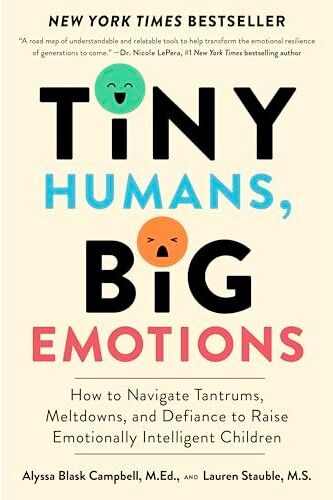
Harvest Tiny Humans, Big Emotions: How to Navigate Tantrums, Meltdowns, and Defiance to Raise Emotionally Intelligent ChildrenThe Future is Emotionally Intelligent From two early childhood experts, an essential parenting guide for toddler behavior that empowers parents to help their little ones navigate their big feelings—including tantrums, outbursts, and separation anxiety—while laying the groundwork for a lifetime of emotional intelligence. We’re in the midst of a parenting revolution that is radically changing the way we raise our kids. Gone are the days of minimizing emotions: Don’t Cry. You’re Fine. Don’t Make a Scene. As our understanding of developing brains has increased, today’s parents are embracing conscious parenting and looking for a new way to help their children understand their feelings and learn to process them. Emotional development experts Alyssa Blask Campbell, M.Ed. and Lauren Stauble M.S. are at the forefront of a movement to foster little ones’ emotional intelligence. Their revolutionary Collaborative Emotion Processing (CEP) method has been a game changer for parents and educators, and now they are sharing it with readers in this indispensable guide. Tiny Humans, Big Emotions provides the tools to tackle every sort of stressful child-rearing situation, including: • What to do when your child throws a tantrum (it's not what you think!) • Helpful scripts to handle any challenging moment like school refusal and bedtime resistance • How to react when your child hits, punches, or bites • Easy tips that help regulate your child’s nervous system • How to anticipate and end meltdowns before they even begin Designed for all humans—tiny and big—this book shows caregivers of children how to handle challenging behaviors and outbursts while empowering them to recognize and manage difficult feelings like anger, sadness, and shame, along with anxiety. All caregivers will find valuable insights and guidance in this book, especially those caring for children from infancy to age eight. Tiny Humans, Big Emotions equips adults with tools for emotional intelligence so they can respond with intention. This innovative, research-based approach teaches children self-regulation, empathy, and effective coping strategies, even as it strengthens the parent-child relationship, setting the groundwork for a lifetime of emotional resilience and wellbeing. This book is an essential, empathetic guide for gentle parenting that will teach parents to notice their own habits and hold space for their tiny human's big emotions.5,99 £*Shipping: 2,99 £Secure redirect to the provider
-
What emotions can occur in artificial intelligence?
Artificial intelligence can experience a range of emotions, including frustration, satisfaction, and curiosity. For example, an AI system may become frustrated when it encounters a problem it cannot solve, or feel satisfaction when it successfully completes a task. Additionally, AI can exhibit curiosity by seeking out new information or exploring different approaches to problem-solving. These emotions are typically simulated or programmed into the AI system to help it better interact with and respond to human users. **
-
Do animals have emotions and mental illnesses?
Yes, animals do have emotions and can experience mental illnesses. Research has shown that animals, especially mammals like dogs, cats, and primates, exhibit a wide range of emotions such as joy, fear, anger, and sadness. They can also suffer from mental health issues such as anxiety, depression, and PTSD. It is important for us to recognize and address the emotional and mental well-being of animals in our care. **
-
What are these emotions called?
These emotions are called primary emotions. They are basic emotions that are universal across cultures and are believed to be innate. Primary emotions include happiness, sadness, anger, fear, surprise, and disgust. These emotions are considered to be the building blocks of our emotional experiences. **
-
Are emotions really time-limited?
Emotions are not necessarily time-limited as they can vary in duration depending on the individual and the situation. Some emotions may be fleeting and short-lived, while others can persist for longer periods of time. It is important to acknowledge and process emotions in a healthy way, as suppressing or ignoring them can lead to unresolved feelings that may resurface later on. Seeking support from others or engaging in self-care practices can help manage and navigate through emotions effectively. **
* All prices are inclusive of VAT and, if applicable, plus shipping costs. The offer information is based on the details provided by the respective shop and is updated through automated processes. Real-time updates do not occur, so deviations can occur in individual cases. ** Note: Parts of this content were created by AI.