Buy brainlag.eu ?
We are moving the project
brainlag.eu .
Are you interested in purchasing the domain
brainlag.eu ?
domain@kv-gmbh.de · 0541-91531010
Buy brainlag.eu ?
Can animals also develop mental illnesses?
Yes, animals can also develop mental illnesses. Just like humans, animals can experience conditions such as anxiety, depression, and post-traumatic stress disorder. These mental health issues can be triggered by various factors such as trauma, abuse, or changes in their environment. It is important for pet owners and caretakers to be aware of the signs of mental illness in animals and seek appropriate help from veterinarians or animal behavior specialists. **
Which animals have a good memory?
Animals such as elephants, dolphins, chimpanzees, and certain bird species like crows and parrots are known to have exceptional memories. These animals have demonstrated the ability to remember complex tasks, locations of food sources, and even specific individuals over long periods of time. Their impressive memory capabilities are believed to be linked to their advanced cognitive abilities and social structures. **

Similar search terms for Animals
Top-Angebote
Products related to Animals:
-
Learn About Animals Value PackWhether it is a group of wild mammals, birds, or even insects, there is a unique name to identify each specific animal group. Groups of bees, butterflies, rabbits, and dogs are the stars of this vibrant new set of LEARN ABOUT books that are packed...23,76 $*Shipping: 0,00 $Secure redirect to the provider




-
Do animals have the intelligence of toddlers?
Animals do not have the same level of intelligence as toddlers. While some animals may exhibit problem-solving abilities and social behaviors similar to young children, their cognitive abilities are generally not as advanced. Toddlers have the capacity for language acquisition, complex reasoning, and abstract thinking, which are not typically seen in animals. However, some species, such as apes and dolphins, have demonstrated higher levels of cognitive abilities and may exhibit intelligence comparable to that of young children in certain tasks. **
-
Do animals have emotions and mental illnesses?
Yes, animals do have emotions and can experience mental illnesses. Research has shown that animals, especially mammals like dogs, cats, and primates, exhibit a wide range of emotions such as joy, fear, anger, and sadness. They can also suffer from mental health issues such as anxiety, depression, and PTSD. It is important for us to recognize and address the emotional and mental well-being of animals in our care. **
-
What distinguishes humans from animals by their intelligence?
Humans are distinguished from animals by their higher level of intelligence, which includes the ability to think abstractly, reason logically, and solve complex problems. Humans also have the capacity for language, which allows for communication and the transmission of knowledge across generations. Additionally, humans have the ability to create and use tools, as well as engage in advanced forms of social organization and cooperation. These cognitive abilities set humans apart from other animals and have enabled them to develop complex civilizations and technologies. **
-
Is memory intelligence?
Memory is not intelligence in itself, but it is an important component of intelligence. Memory allows us to store and retrieve information, which is essential for learning, problem-solving, and decision-making. However, intelligence encompasses a broader range of cognitive abilities, including reasoning, problem-solving, and creativity, in addition to memory. While memory is an important aspect of intelligence, it is not the sole determinant of intelligence. **


Can not only humans get mental illnesses, but also animals?
Yes, animals can also experience mental illnesses. Just like humans, animals can suffer from conditions such as anxiety, depression, and post-traumatic stress disorder. These conditions can be caused by a variety of factors, including genetics, trauma, and environmental stressors. It is important for pet owners and animal caregivers to be aware of the signs of mental illness in animals and seek appropriate veterinary care and support. **
Which animals are both pack animals and solitary animals?
Wolves are animals that exhibit both pack behavior and solitary behavior. While they are known for living and hunting in packs, wolves are also capable of surviving on their own when necessary. They may temporarily leave the pack to search for food or establish their own territory. This ability to adapt to different social structures makes wolves unique in their behavior as both pack animals and solitary animals. **
Top-Angebote
Products related to Animals:
-
Klutz: Latch Hook AnimalsA classic craft is back! Latch hook is easier than ever, with everything you need to make a frog, shark, and red panda. With small (6 x 6 inch) canvases, precut yarn, and a custom tool, this kit helps take out the intimidation factor and get you...24,99 $*Shipping: 0,00 $Secure redirect to the provider
-
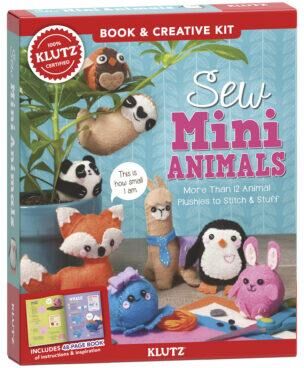
Klutz: Sew Mini AnimalsStitch and stuff an assortment of fuzzy animals from felt! These mini plushies are full-sized fun, and everything you need to make up to 14 animals is included. Add extra accessories like hats, bows, and glasses to personalize your animals. We must...22,99 $*Shipping: 0,00 $Secure redirect to the provider
-
Learn About Animals Value PackWhether it is a group of wild mammals, birds, or even insects, there is a unique name to identify each specific animal group. Groups of bees, butterflies, rabbits, and dogs are the stars of this vibrant new set of LEARN ABOUT books that are packed...23,76 $*Shipping: 0,00 $Secure redirect to the provider
-
Can animals also develop mental illnesses?
Yes, animals can also develop mental illnesses. Just like humans, animals can experience conditions such as anxiety, depression, and post-traumatic stress disorder. These mental health issues can be triggered by various factors such as trauma, abuse, or changes in their environment. It is important for pet owners and caretakers to be aware of the signs of mental illness in animals and seek appropriate help from veterinarians or animal behavior specialists. **
-
Which animals have a good memory?
Animals such as elephants, dolphins, chimpanzees, and certain bird species like crows and parrots are known to have exceptional memories. These animals have demonstrated the ability to remember complex tasks, locations of food sources, and even specific individuals over long periods of time. Their impressive memory capabilities are believed to be linked to their advanced cognitive abilities and social structures. **
-
Do animals have the intelligence of toddlers?
Animals do not have the same level of intelligence as toddlers. While some animals may exhibit problem-solving abilities and social behaviors similar to young children, their cognitive abilities are generally not as advanced. Toddlers have the capacity for language acquisition, complex reasoning, and abstract thinking, which are not typically seen in animals. However, some species, such as apes and dolphins, have demonstrated higher levels of cognitive abilities and may exhibit intelligence comparable to that of young children in certain tasks. **
-
Do animals have emotions and mental illnesses?
Yes, animals do have emotions and can experience mental illnesses. Research has shown that animals, especially mammals like dogs, cats, and primates, exhibit a wide range of emotions such as joy, fear, anger, and sadness. They can also suffer from mental health issues such as anxiety, depression, and PTSD. It is important for us to recognize and address the emotional and mental well-being of animals in our care. **
Similar search terms for Animals
-
Spode Woodland Salad Plate Assorted AnimalsSpode Woodland Salad Plate - Traditional Wildlife Design, Thanksgiving Appetizer or Dessert Dish with 8 Inch Diameter, Fine Earthenware, British Flowers Border - Microwave, Oven, Freezer Safe - New Celebrate Thanksgiving with the Spode Woodland Salad…37,12 $*Shipping: 0,00 $Secure redirect to the provider
-
What distinguishes humans from animals by their intelligence?
Humans are distinguished from animals by their higher level of intelligence, which includes the ability to think abstractly, reason logically, and solve complex problems. Humans also have the capacity for language, which allows for communication and the transmission of knowledge across generations. Additionally, humans have the ability to create and use tools, as well as engage in advanced forms of social organization and cooperation. These cognitive abilities set humans apart from other animals and have enabled them to develop complex civilizations and technologies. **
-
Is memory intelligence?
Memory is not intelligence in itself, but it is an important component of intelligence. Memory allows us to store and retrieve information, which is essential for learning, problem-solving, and decision-making. However, intelligence encompasses a broader range of cognitive abilities, including reasoning, problem-solving, and creativity, in addition to memory. While memory is an important aspect of intelligence, it is not the sole determinant of intelligence. **
-
Can not only humans get mental illnesses, but also animals?
Yes, animals can also experience mental illnesses. Just like humans, animals can suffer from conditions such as anxiety, depression, and post-traumatic stress disorder. These conditions can be caused by a variety of factors, including genetics, trauma, and environmental stressors. It is important for pet owners and animal caregivers to be aware of the signs of mental illness in animals and seek appropriate veterinary care and support. **
-
Which animals are both pack animals and solitary animals?
Wolves are animals that exhibit both pack behavior and solitary behavior. While they are known for living and hunting in packs, wolves are also capable of surviving on their own when necessary. They may temporarily leave the pack to search for food or establish their own territory. This ability to adapt to different social structures makes wolves unique in their behavior as both pack animals and solitary animals. **
* All prices are inclusive of VAT and, if applicable, plus shipping costs. The offer information is based on the details provided by the respective shop and is updated through automated processes. Real-time updates do not occur, so deviations can occur in individual cases. ** Note: Parts of this content were created by AI.